
Historic Storage Mandate for Maharashtra Solar
On March 18, 2026, the Government of Maharashtra notified the Maharashtra Renewable Energy and Energy Storage Policy 2025–26 to 2035–36, replacing the state's 2020 renewable energy framework. The policy runs until March 31, 2036, and targets meeting 65% of Maharashtra's electricity demand from renewable sources by FY 2035–36, as the state's peak demand climbs toward 30.7 GW.
The 50% / 2-Hour Storage Mandate
The headline change for solar developers and industrial consumers is a first-of-its-kind storage mandate across India:
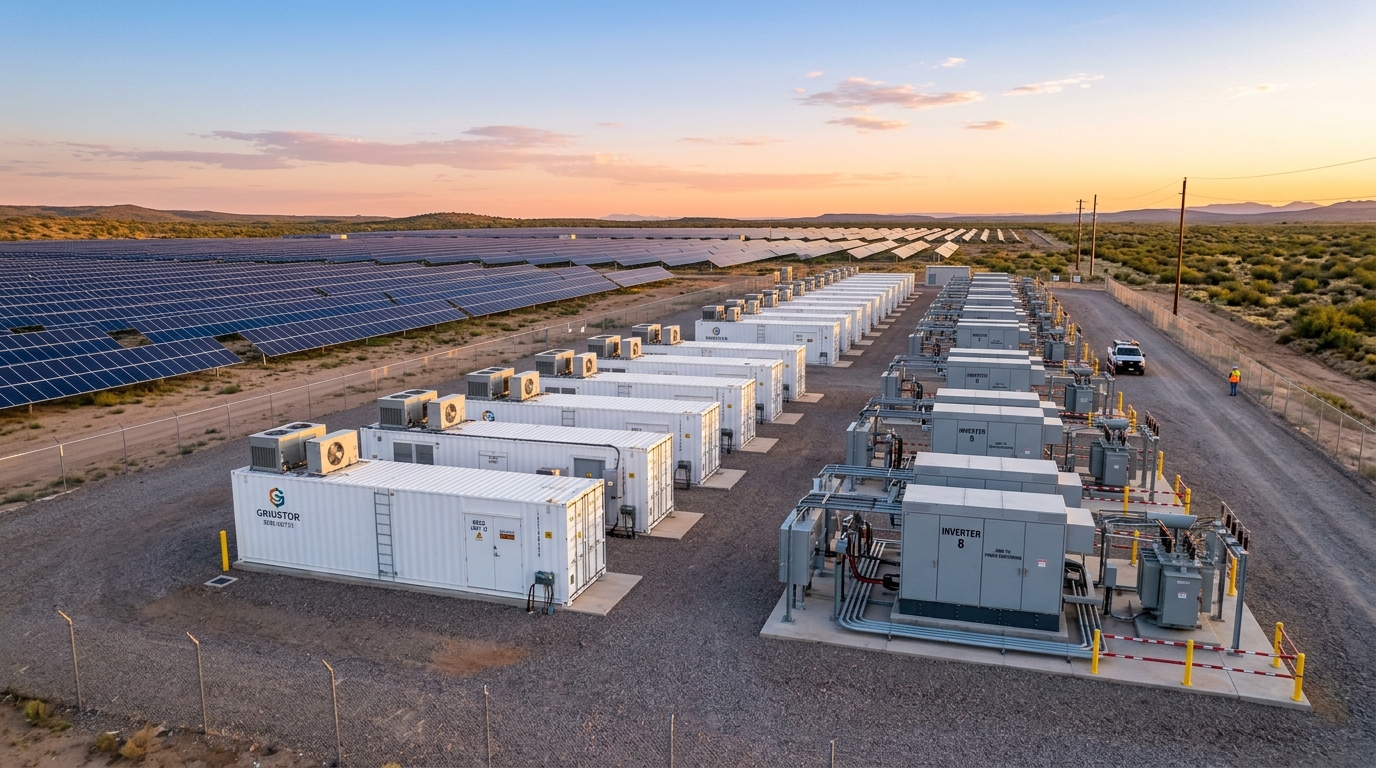
- Applicability: From April 1, 2026, any new rooftop, open access, or captive solar project above 100 kW applying for grid connectivity must include battery energy storage systems (BESS).
- Capacity Requirement: The BESS capacity must equal at least 50% of the solar capacity, sized for a minimum duration of two hours.
- Practical Example: A 200 kW commercial solar plant now requires at least a 100 kW / 200 kWh battery system installed alongside it.
- Escalation: This duration requirement rises to four hours for projects commissioned from FY 2030–31 onward.
- Grandfathering: Projects commissioned prior to April 1, 2026 are grandfathered and unaffected.
DISCOM Energy Storage Obligations
On the utility side, DISCOMs (including MSEDCL) face their own Energy Storage Obligation (ESO):
- Procuring storage capacity equal to at least 10% of demand by FY 2035–36.
- Ensuring at least 85% of stored energy is sourced from renewable energy annually.
Financial Incentives & Concessions
To ease adoption and stimulate grid-scale storage, the policy provides tangible financial incentives:
- Grid Tariff & Surcharge Waivers: Storage systems drawing grid power for charging are 100% exempt from transmission charges, wheeling charges, electricity duty, and cross-subsidy surcharge (CSS), provided the energy is consumed within Maharashtra.
- Government Land Leases: Government land is made available for RE and BESS projects at a nominal annual lease rate for 30 years.
- Harit Urja Nidhi Fund: A dedicated green energy fund supports bulk BESS procurement specifically for MSMEs.
- Single-Window Portal: A unified digital portal streamlines registration and CEIG statutory approvals.
Key Strategic Takeaway for Industrial Solar Buyers
"Maharashtra is the first Indian state to make battery storage a precondition for connecting new commercial and industrial solar projects above 100 kW to the grid."
For industrial and commercial consumers planning solar in Maharashtra, the practical directive is clear: any new project above 100 kW now needs to be designed with battery storage from day one. Retrofitting battery systems later typically increases capital expenditure by 25% to 35% due to inverter modifications, civil integration, and revised DISCOM interconnect approvals.